Can You Renovate a Heritage Home in Australia | McDowell
Can you renovate a heritage home in Australia? Discover what’s allowed, what’s not, and how to blend history with modern living. Read more here!
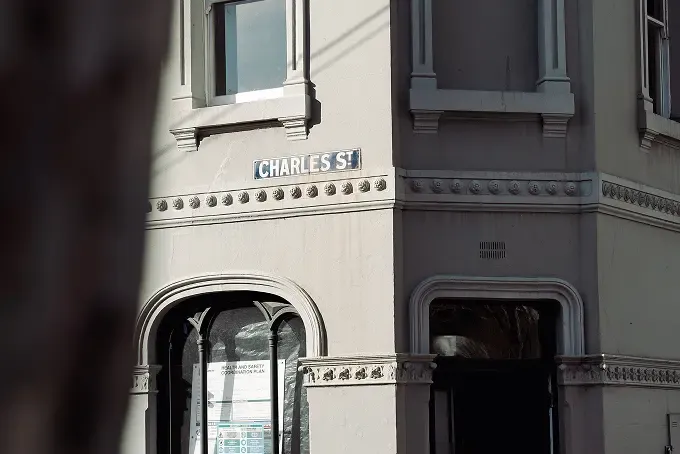
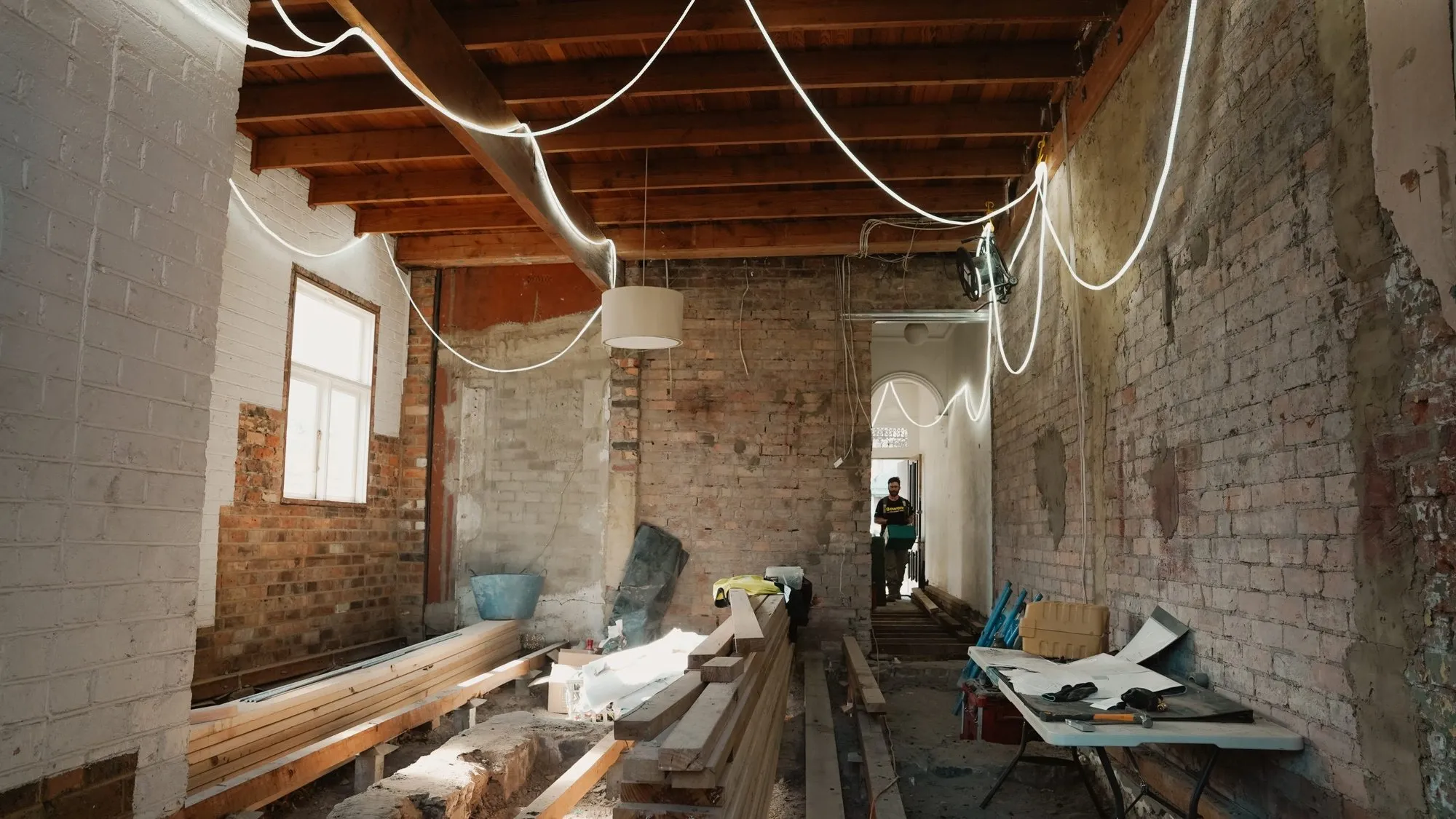
Owning a heritage-listed home is like owning a piece of history. These charming properties are admired for their timeless beauty, architectural details, and cultural significance. But for homeowners, the question often arises: can you renovate a heritage home in Australia? The answer is yes, but with careful planning, the right approvals, and respect for its historical character. In this blog, we’ll explore what makes a home ‘heritage-listed,’ what you can and can’t change, and how professional builders like McDowell Building & Construction can help you get the perfect balance between preservation and modern comfort.
What Is a Heritage Home?
A heritage home is a property that has been recognised for its historical, cultural, or architectural value. To guarantee their preservation for upcoming generations, these residences are frequently included in municipal, state, or federal heritage registers. Each state and territory in Australia has its own heritage laws, and local councils maintain registers that determine what changes can be made to a heritage property.
Heritage listings are not limited to grand old mansions or historic landmarks. Even modest cottages, post-war homes, and Federation-style properties can fall under heritage protection if they contribute to the local area’s character or tell part of Australia’s architectural story.
Can You Renovate a Heritage-Listed Home?
Yes, you absolutely can, but with conditions. Renovating a heritage-listed home isn’t as straightforward as a typical renovation. Generally, your local council or heritage body must approve any work that could change the property’s look, structure, or character.
The key is to renovate with respect. The goal isn’t to erase the home’s history but to enhance it, blending old-world charm with modern functionality. This may mean restoring original features, using traditional materials, or designing new additions that complement rather than overpower the existing structure.
Understanding Heritage Restrictions
Want to renovate a heritage home? Before you start any renovation, it’s essential to understand the level of heritage protection your home has. Heritage listings in Australia generally fall into two categories:
-
Local Heritage Listing: Managed by your local council, these listings protect properties that contribute to the community’s historical fabric. You’ll likely need council approval for external or structural changes.
-
State or National Heritage Listing: These are more strictly regulated, and approvals must be sought from state heritage councils or the Australian Heritage Council.
Each listing comes with specific conservation guidelines that outline what you can and cannot do. For example, you may be restricted from:
-
Demolishing original walls, facades, or roofs
-
Changing the exterior appearance
-
Removing heritage features such as verandas, cornices, or fireplaces
-
Using materials that don’t match the original construction
However, many councils allow internal updates like rewiring, plumbing upgrades, and kitchen or bathroom renovations, as long as they don’t compromise the home’s heritage significance.
Steps to Renovating a Heritage Home
Renovating a heritage property involves several steps and approvals. Here’s what the process generally looks like:
1. Research Your Property’s Heritage Status
Start by checking if your property is listed on the State Heritage Register or local council heritage overlay. This information is crucial because it determines the level of protection and the type of approvals you’ll need.
2. Consult with Your Local Council or Heritage Advisor
Before making any design decisions, schedule a consultation with your council’s heritage officer. They can explain your property’s restrictions and guide you on permissible alterations. Engaging a heritage architect or heritage home building professional can also help you deal with these requirements smoothly.
3. Develop a Heritage-Sensitive Design Plan
Your renovation plan should respect the home’s historical context. Consider materials, colours, and architectural details that align with the original heritage home design. For example, you might retain a weatherboard exterior while adding energy-efficient windows that match the old frame style.
4. Obtain Approvals
Any significant changes will likely require a Development Application (DA) or Heritage Impact Statement (HIS). These documents outline how your renovation will preserve the home’s heritage value.
5. Engage Experienced Builders
Renovating heritage properties demands skill and precision. Working with builders experienced in heritage property renovations, like McDowell Building & Construction, ensures the project meets all heritage and building code requirements while achieving your vision.
6. Begin Construction and Restoration
Once approvals are secured, the construction phase can begin. This may involve structural repairs, façade restoration, or modernising interiors while retaining original details. The goal is to breathe new life into space without losing its soul.
Challenges of Heritage Home Renovations
Renovating a heritage-listed property comes with unique challenges:
-
Approval Delays: Council approvals can take time, especially if extensive documentation is required.
-
Higher Costs: Sourcing traditional materials or hiring specialists can increase expenses.
-
Unexpected Issues: Older structures may reveal hidden problems such as foundation damage or asbestos.
While these challenges can seem scary, they’re manageable with professional guidance.
Final Thoughts
So, can you renovate a heritage home in Australia? Absolutely, but it requires care, patience, and a deep respect for history. By understanding your home’s heritage status, working with the right professionals, and following the proper approval process, you can transform your property into a stunning blend of past and present.
A heritage home renovation isn’t just about improving a home; it’s about preserving a legacy. And with the expertise of McDowell Building & Construction, your renovation will honour that legacy while creating a beautiful, functional space for generations to come.