House Renovation Checklist: 9 Basic Steps for Aussie Homes
Planning a home renovation? Use our complete house renovation checklist for Australian homes, covering budgeting, approvals, timelines and reno planning tips.

Renovating a home is an exciting milestone, but it can also feel challenging without a clear plan. Australian homes come with their own unique challenges, from climate conditions and council regulations to older building materials and modern energy standards. Having a structured renovation checklist helps you stay organised, control costs, and avoid common pitfalls along the way.
At McDowell Building & Construction, we’ve seen firsthand how proper renovating planning makes the difference between a smooth renovation and a stressful one. With this house renovation checklist, we will walk you through the essential stages of a house renovation in Australia, so you can get the best experience.
Whole House Renovation Checklist for Australian Homes
Renovating a home is a major investment, and the right planning can make all the difference. Below, we have outlined the key considerations Australian homeowners should keep in mind to ensure a smooth, well-managed renovation.
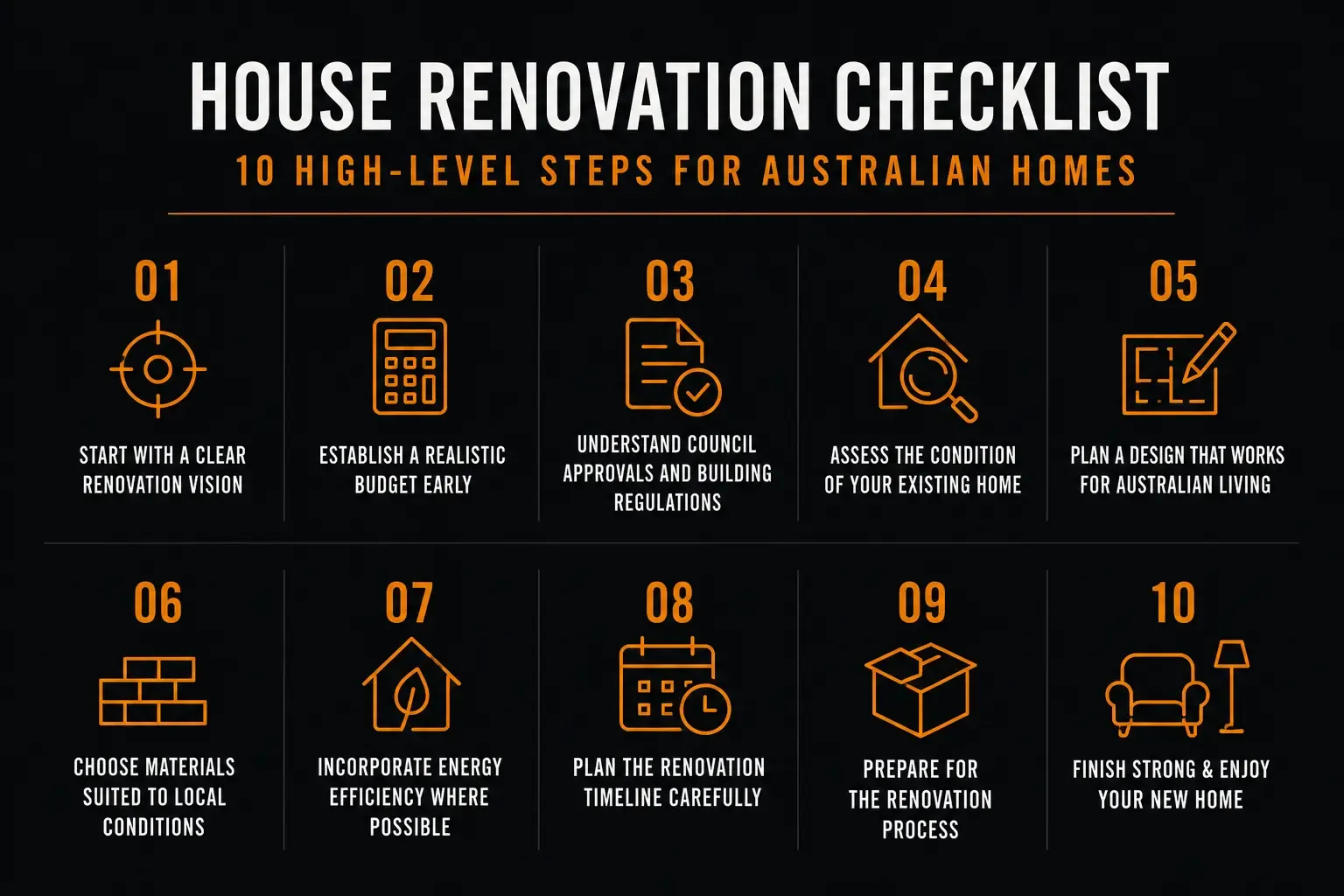
1. Start with a Clear Renovation Vision
Every successful renovation begins with understanding what you want to achieve. Some homeowners renovate to improve daily comfort, others to increase resale value, and many aim for a balance of both. Before planning layouts or choosing finishes, it’s important to define your priorities and long-term goals.
Think about how your household uses space now and how that might change in the future. Whether it’s creating an open-plan living area, modernising a kitchen, or adding an extension, clarity at this stage prevents costly changes later in the build.

2. Establish a Realistic Budget Early
Although it is frequently overlooked, budgeting has a significant impact on how your restoration turns out. Construction costs in Australia can vary significantly depending on location, labour availability, and material choices. A well-planned budget should account not only for construction but also for design, approvals, and unforeseen issues.
Older homes, in particular, can hide surprises such as outdated wiring, plumbing problems, or structural wear. By providing a contingency buffer, you can be sure that these discoveries won’t derail your project or compromise quality.
3. Understand Council Approvals and Building Regulations
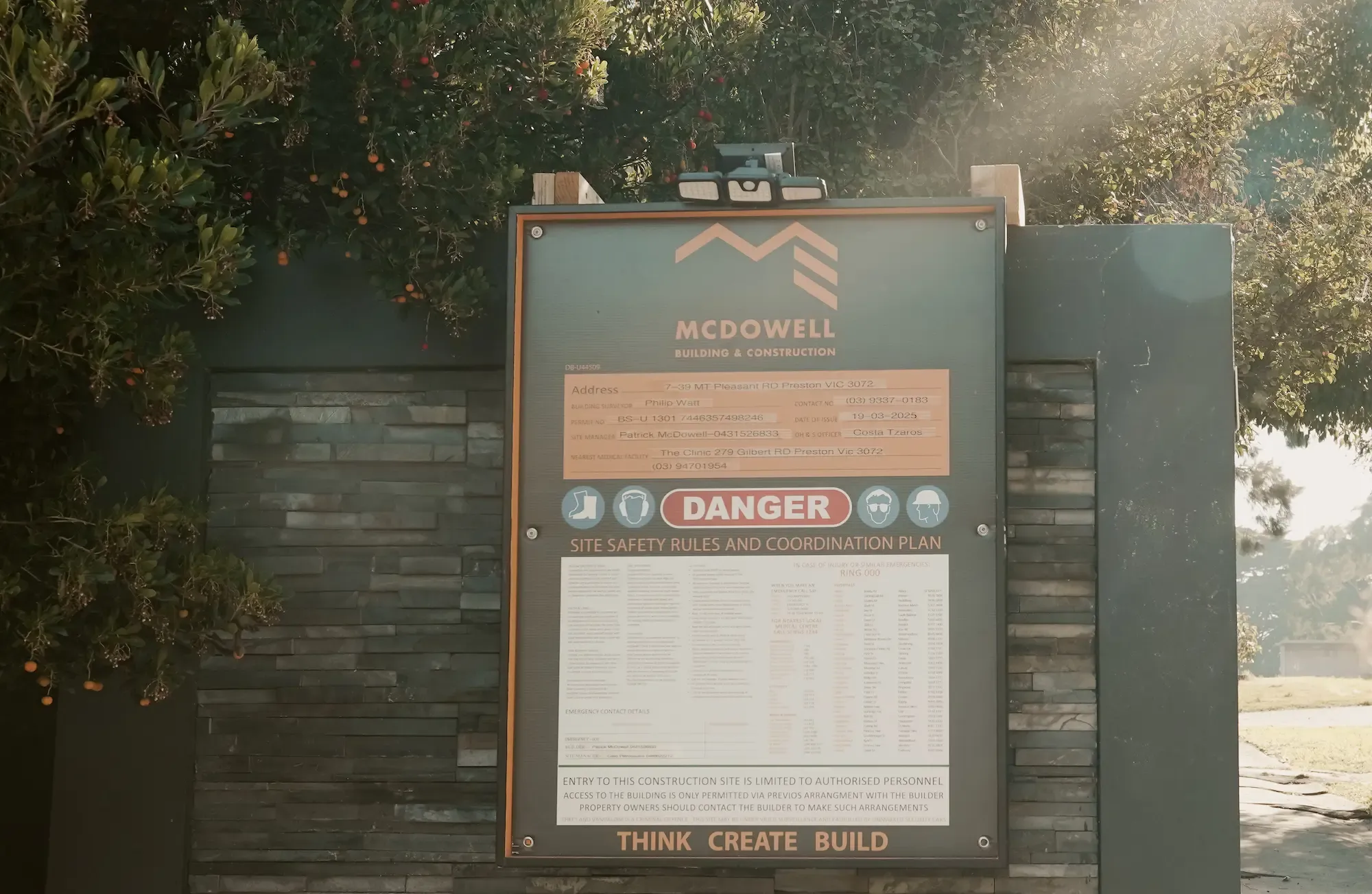
One of the most important steps in an Australian renovation is understanding what approvals are required. Structural changes, extensions, or modifications to the external appearance of a home usually need council approval or a complying development certificate.
Skipping or missing this step can lead to fines, delays, or even having to undo completed work. Working with house renovation builders helps ensure your house renovation meets all local council requirements and Australian building standards, offering you peace of mind throughout the process.
4. Assess the Condition of Your Existing Home
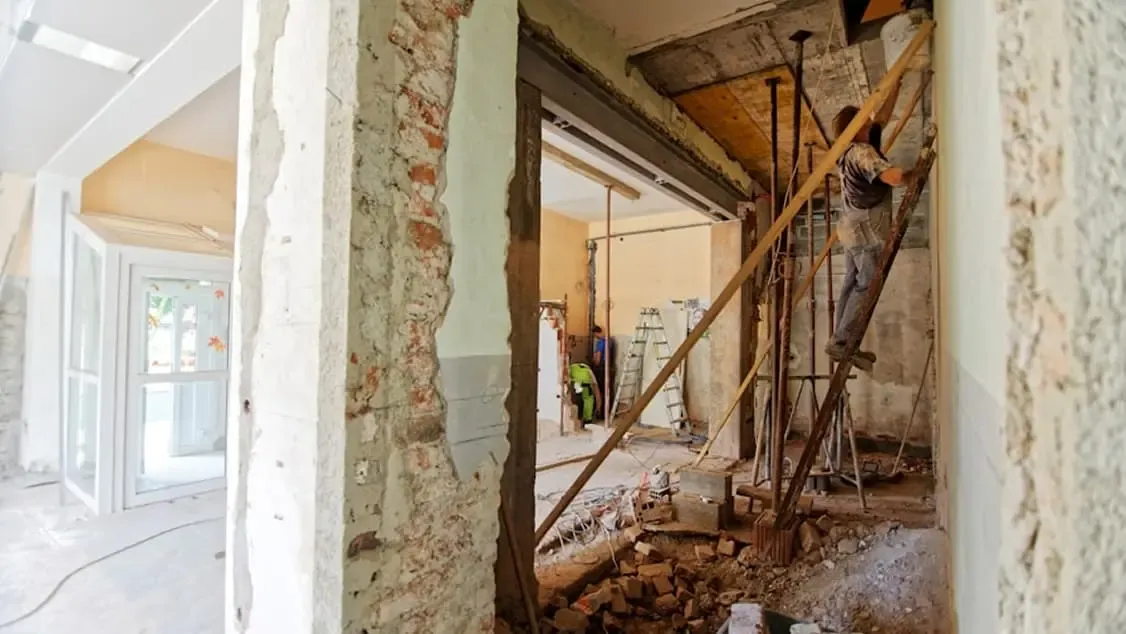
The current structure of your house should be carefully assessed before any construction starts. This includes checking the foundations, roof, insulation, plumbing, and electrical systems. In older Australian homes, issues such as asbestos or termite damage may also need to be addressed.
Identifying these concerns early allows them to be factored into the renovation plan rather than becoming costly surprises during construction. It also ensures your renovated home is safe, compliant, and built to last.
5. Plan a Design That Works for Australian Living
A well-designed remodel goes beyond appearances. Layouts that optimise natural light, ventilation, and access to outside areas are advantageous for Australian residences. Thoughtful design improves comfort, energy efficiency, and day-to-day functionality.
This is also the stage where practical decisions matter most. Storage, room flow, and future accessibility should all be considered. A well-designed renovation not only looks good but continues to serve your lifestyle for years to come.
6. Choose Materials Suited to Local Conditions
Material selection plays a major role in the durability and performance of your home renovation. Depending on the area, Australia’s climate can be severe, with intense sunshine, torrential rain, and extreme temperatures.
You can safeguard your investment by selecting materials that are energy-efficient, low-maintenance, and resistant to weather. Although high-quality materials may be more expensive initially, they save money over time due to better performance and less maintenance.
7. Incorporate Energy Efficiency Where Possible
Renovating is the ideal opportunity to improve your home’s energy efficiency. Upgrading insulation, installing efficient lighting and appliances, and improving window performance can significantly reduce energy consumption.
These upgrades improve comfort and increase the long-term worth of your house while also reducing household operating expenses. Many Australian buyers now actively look for energy-efficient features when purchasing property.
8. Plan the Renovation Timeline Carefully
Renovations take time, and weather, approvals, or the availability of materials can all cause delays. Establishing a realistic timeline with your builder helps manage expectations and keeps the project organised.
During construction, prompt decisions and clear communication are crucial to keeping things on track. A well-managed timeline reduces stress and ensures the home renovation progresses smoothly from start to finish.

9. Prepare for the Renovation Process
Living through a renovation can be disruptive, especially for major works. Preparing your household in advance makes the experience more manageable. This might include planning temporary living arrangements or adjusting daily routines during construction.
Understanding what to expect helps reduce frustration and allows you to focus on the exciting outcome ahead.
Final Thoughts
With this blog, we hope we’ve answered all your questions about how to renovate a house. This well-defined home renovation checklist is essential to a successful renovation, since it is a substantial financial commitment. By planning carefully, understanding regulations, and working with experienced professionals, you can transform your home with confidence.
At McDowell Building & Construction, we specialise in renovations designed for Australian homes and lifestyles. With the right guidance and a structured approach from our professionals, your renovation journey can be just as rewarding as the finished result.